
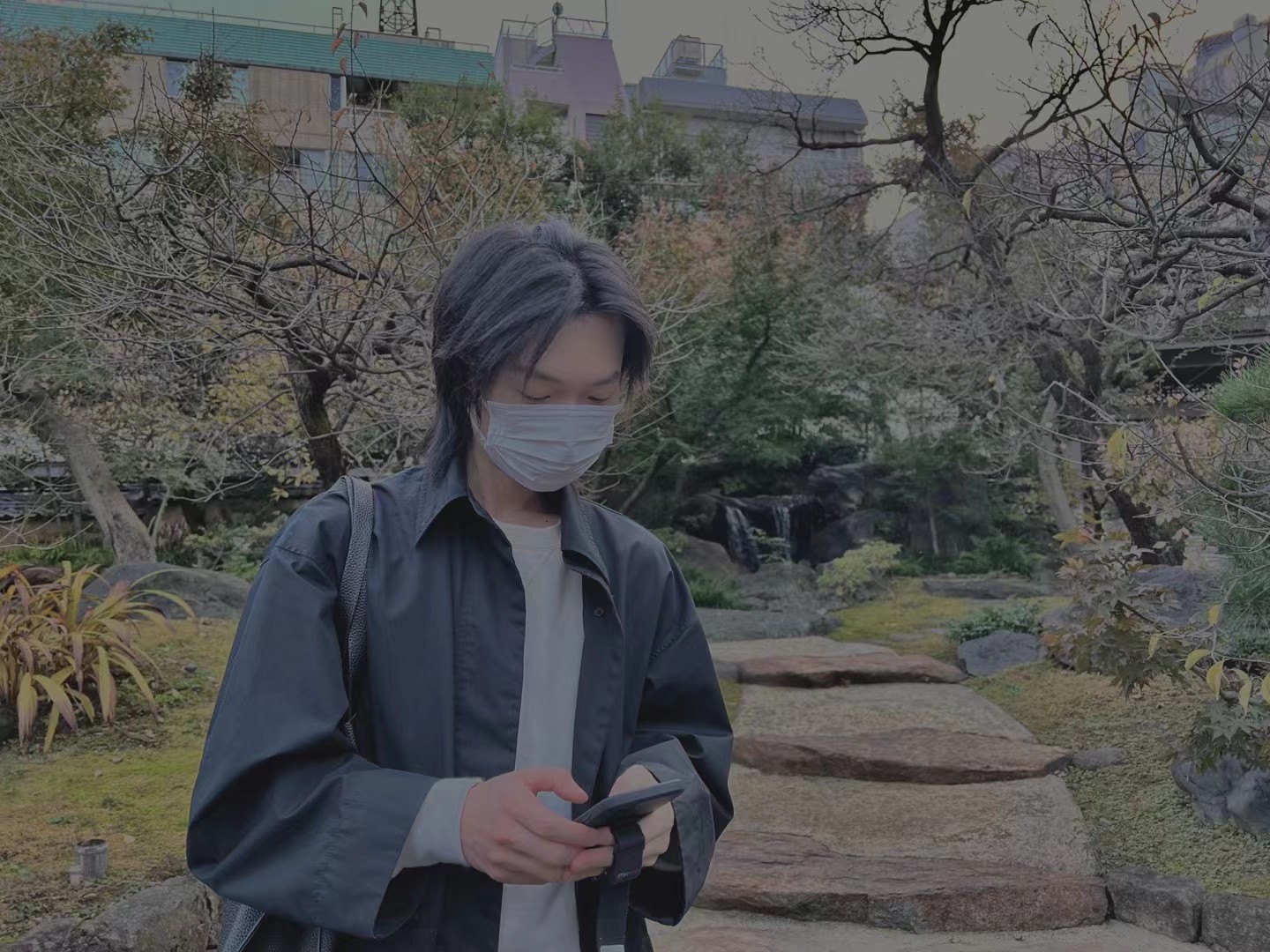
Yongming Huang is a Ph.D. student at the Graduate School of Horticulture, Chiba University, specializing in the Landscape Course (Landscape Architecture). His research focuses on the interdisciplinary application of big data and machine learning technologies in urban vitality analysis—particularly addressing environmental justice and macro-/micro-scale urban vibrancy through quantitative studies employing various advanced methods.
He holds a Master of Architecture and Environmental Design (Urban and Architecture) from Kyoto University of the Arts, and a Bachelor’s degree in Environmental Design (Architecture) from the College of Communication and Art Design at the University of Shanghai for Science and Technology (USST).
Yongming’s research interests include human–environment interaction and well-being, urban vitality, and environmental justice.
Evaluating the spatial-temporal impact of urban nature on urban vitality in Vancouver: A social media and GPS data approach
Background :Urban nature, such as street trees, green corridors, and urban parks, plays a central role in promoting human well-being, physical activity, and spatial equity. However, existing studies often evaluate green space in terms of supply (e.g., area, canopy cover) and accessibility, and less so in terms of when, where, and for whom these natural elements enable vitality in […]
Exploring the dynamic relationships between humans and natural environments to enhance mental and physical health through data-driven insights and innovative design strategies.
Exploring the dynamic
Exploring the dynamic relationships between humans and natural environments to enhance mental and physical health through data-driven insights and innovative design strategies.