
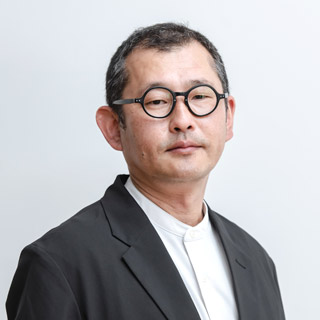
Ryosuke Shimoda, associate Professor in Graduate School of Horticulture, is a landscape architect who has designed various type of places both in urban and regional area. Born in Saitama 1974. Educated in Chiba University and Harvard University GSD. After practical experience in the US, He worked in PLACEMEDIA and HUMUS landscape architecture in Tokyo for more than 10 years. His experience motivates him to educate students about meaning of landscape design on “GROUND where we live”. He is trying to internationally and interdisciplinary create an “educational place” where human resources and culture could be circulated in our future society, and propose landscape architectural solutions for regional and social problems such as devastated sites of the Great East Japan Earthquake and massive increase of death in next 100 years in Japan.
Urban Ecology: Cities are not just for humans; they are also habitats for living things, including plants and animals. We explore how we can design and create spaces that symbolize this ecosystem.
Landscape Cemetery Project: Planning a new funeral landscape that combines forest regeneration and community revitalization planning methods to address the social issue of a lack of cemeteries.
Recent Interests: Urban Wildness as a Cultural Landscape
Research/Life Motto: Like the flow of water, live flexibly while keeping your destination in mind.
Hobbies/Holiday Activities: Creating Circular Gardens
Research on Reorganization of Collective Living Environment through “Urban Garden” as a Regional Commons
Evaluating Native Grassland Species for Application in Extensive Green Roofs in Japan
Spontaneous vegetation in mandatory green roofs at public educational facilities in Sumida-ku, Tokyo
The Influence of Usage and Spatial Experiences on Personal Desirability of a Park Plan: Using Structural Equation Modeling—A Case Study of a Park near a Station in a Suburban City in Japan
Exploring the dynamic relationships between humans and natural environments to enhance mental and physical health through data-driven insights and innovative design strategies.
Exploring the dynamic
Exploring the dynamic relationships between humans and natural environments to enhance mental and physical health through data-driven insights and innovative design strategies.